

Content Distribution: Strategies to Reach the Right Audience
Creating valuable content is only the first step. To generate visibility and reach the people who matter to your brand, you also need an effective content distribution strategy.
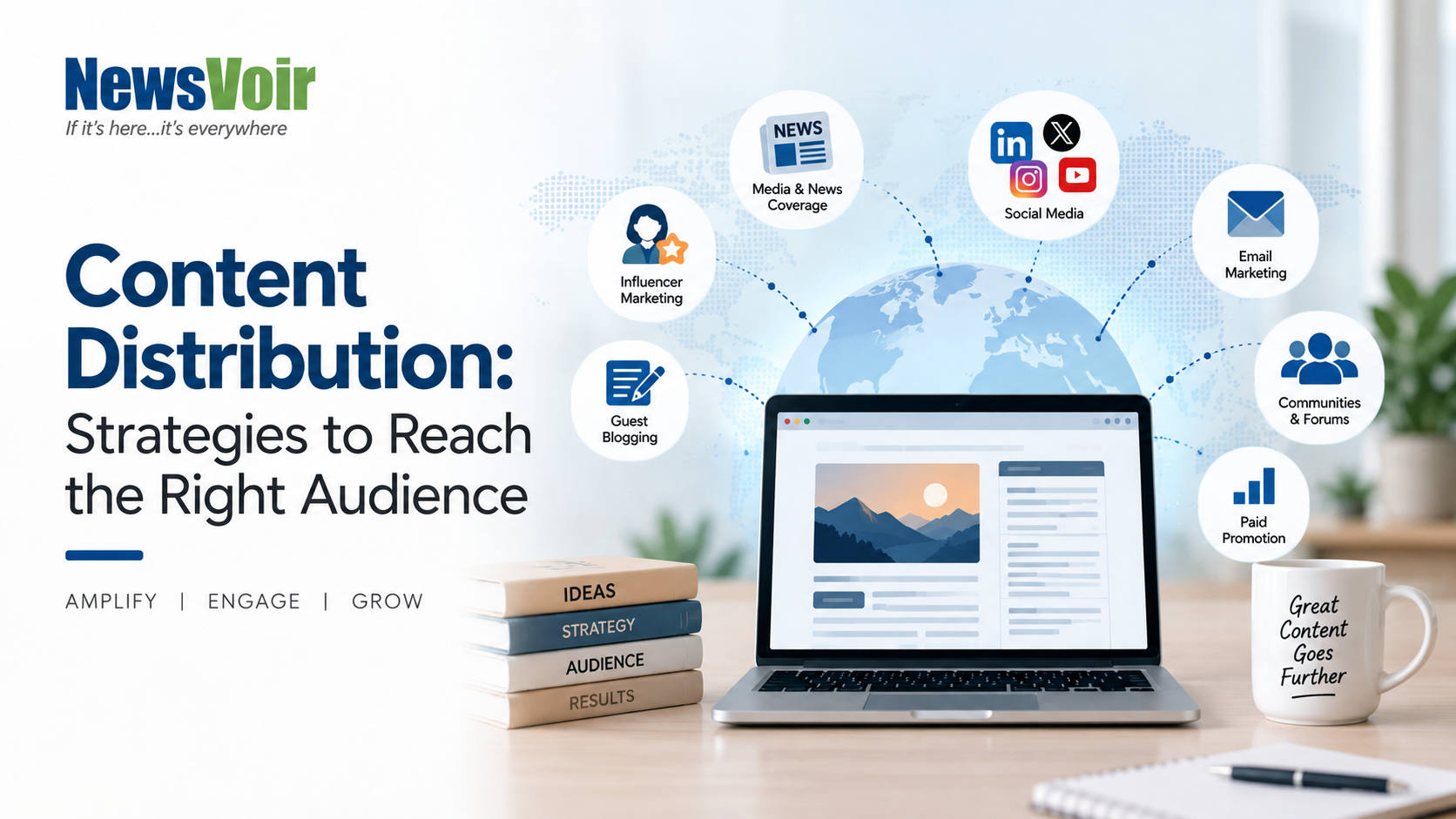
Content distribution is the process of sharing and promoting content through relevant channels to reach your target audience. Depending on your goals, this can include news distribution, social media, influencer marketing, guest blogging, email, paid promotion, and other digital channels.
In this guide, we explore practical content distribution strategies that can help brands reach the right audience, increase visibility, and get more value from the content they create.
What Is Content Distribution?
Content distribution is the process of sharing and promoting content through different channels to reach a specific target audience. Creating useful content is only part of the process; distributing it through the right channels helps ensure that the content reaches the people who are most likely to find it relevant and valuable.
Depending on your goals and audience, content can be distributed through news publications, social media, websites, email, influencer partnerships, guest blogs, paid channels, and online communities.
An effective content distribution strategy focuses on choosing the right channels, reaching the right audience, and making the most of the content you create.
Why Is Content Distribution Important for Brands?
Creating valuable content does not guarantee that your target audience will see it. Content distribution helps brands take their content to the channels where their audiences are already active.
A well-planned distribution strategy can help brands increase visibility, reach relevant audiences, build brand awareness, and get more value from existing content. Choosing the right channels also makes it easier to focus your time and resources on audiences that matter most.
The key is to select distribution channels based on your content, audience, goals, and available resources rather than trying to use every channel.
Content Distribution Strategies to Reach the Right Audience
Choosing the right distribution channels is important for getting your content in front of the audiences that matter. Consider the following content distribution strategies based on your content, goals, and target audience.
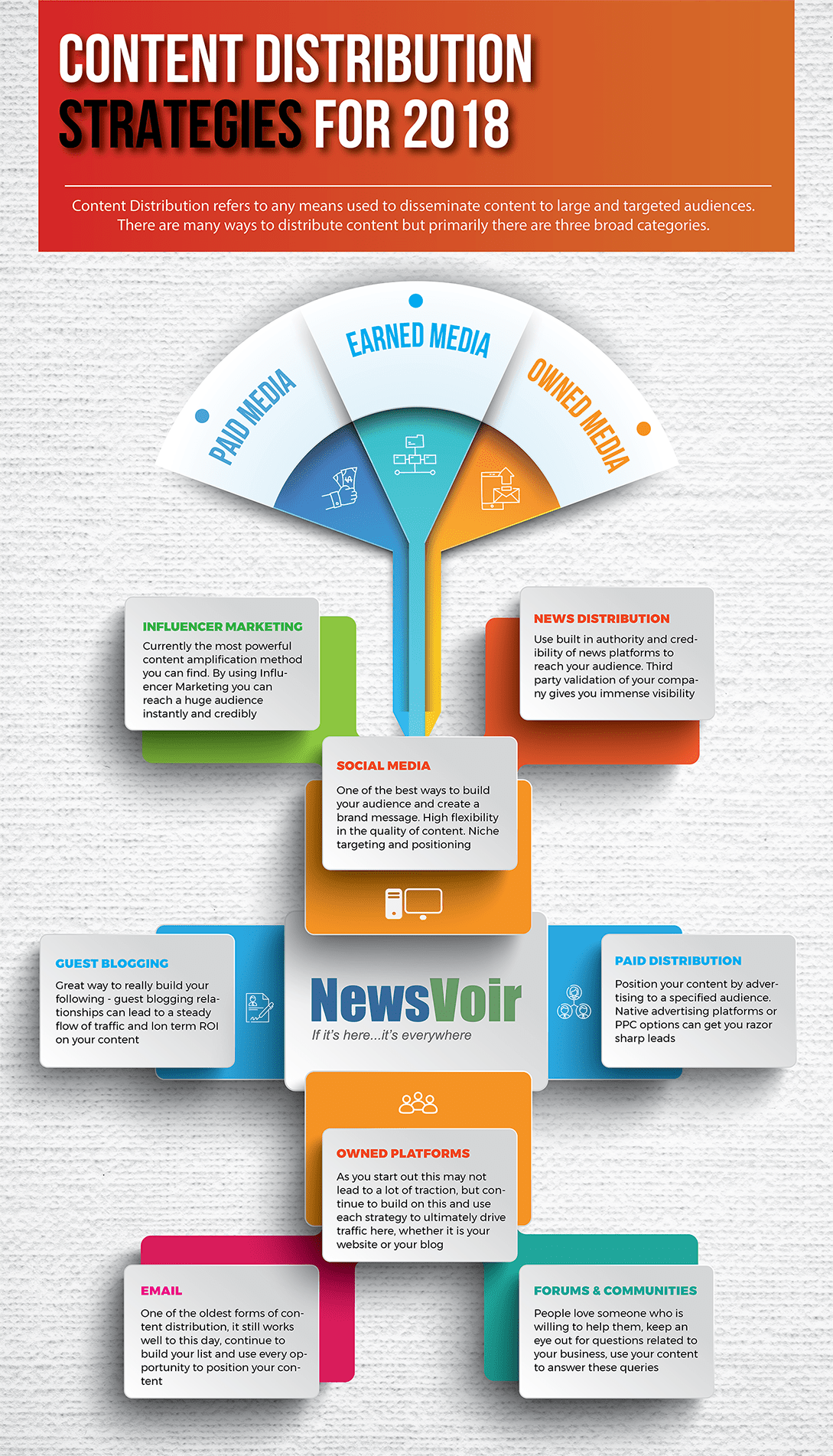
1. Influencer Marketing
Collaborating with relevant influencers can help brands introduce their content to an established and engaged audience. Choose influencers whose audience, expertise, and content are aligned with your brand.
2. News Distribution
Distributing newsworthy content through relevant news and media platforms can help brands increase visibility and reach a wider audience. Press releases, company announcements, and industry stories can be useful formats for news distribution. A targeted media list can also help brands identify relevant journalists and publications when distributing news and announcements.
3. Social Media
Social media platforms allow brands to share content directly with their audiences and encourage engagement. Select platforms based on where your target audience is most active and adapt your content to suit each platform.
4. Guest Blogging
Publishing content on relevant third-party websites can help brands reach new audiences and establish expertise within their industry. Focus on websites that are relevant to your subject and audience.
5. Paid Distribution
Paid promotion can help extend the reach of content beyond your existing audience. Depending on your goals, this may include sponsored content, paid social promotion, search advertising, or other paid digital channels.
6. Owned Platforms
Your website, blog, and other brand-owned channels provide direct ways to distribute and repurpose content. Regularly publishing useful content on your own platforms can also help build a long-term content library.
7. Email Marketing
Email allows brands to distribute content directly to subscribers and existing customers. Share relevant articles, news, insights, and other content based on the interests of your email audience.
8. Online Communities and Forums
Relevant online communities and forums can help brands participate in conversations and share useful content with interested audiences. Focus on providing genuine value rather than using communities solely for promotion.
Content Distribution Examples
For example, a brand launching a new product could distribute a press release through relevant news platforms, share supporting content on social media, and use email to reach existing customers.
Similarly, a B2B brand publishing an industry report could promote it through LinkedIn, relevant industry publications, guest articles, and targeted email campaigns to reach business decision-makers.
How to Choose the Right Content Distribution Channels
Not every distribution channel will be suitable for every brand or type of content. Choose your channels based on your target audience, content format, campaign goals, budget, and available resources. Understanding owned, earned and paid media can also help brands decide which channels are most appropriate for their content.
Consider where your audience is most active and which channels are most likely to help you achieve your objectives. You can also test different channels, track their performance, and focus more resources on those that deliver better results.
A focused approach can help you reach the right audience without spreading your content distribution efforts too thin.
How to Measure Content Distribution Success
Measuring your content distribution efforts helps you understand whether your content is reaching the right audience and contributing to your goals. The metrics you track will depend on the channels you use and the objectives of your campaign.
Useful metrics may include content reach, website traffic, engagement, referral traffic, backlinks, media coverage, and leads or conversions. Review these results regularly to identify which channels perform best and use those insights to improve your content distribution strategy.
Conclusion
Creating valuable content is only part of an effective content strategy. Content distribution helps ensure that your content reaches the right people through the right channels.
By choosing relevant distribution channels, tracking performance, and refining your approach based on results, brands can improve visibility and make their content work harder for their business.
Frequently Asked Questions
1. What is content distribution?
Content distribution is the process of sharing and promoting content through different channels to reach a specific target audience.
2. Why is content distribution important?
Content distribution helps brands increase the visibility of their content, reach relevant audiences, build awareness, and get more value from the content they create.
3. What are the main content distribution channels?
Common channels include news and media platforms, social media, influencer marketing, guest blogging, paid promotion, websites, email marketing, and online communities.
4. How do I choose the right content distribution channel?
Choose channels based on your target audience, content type, campaign goals, budget, and where your audience is most active. Testing different channels can also help identify what works best.
5. How can I measure content distribution?
You can measure content distribution using metrics such as reach, website traffic, engagement, referral traffic, backlinks, media coverage, and leads or conversions.