

Changing Trends in Public Relations That Brands Must Follow
Public relations continues to evolve as digital platforms, artificial intelligence, and changing audience expectations influence how brands communicate. Traditional media relations remain important, but brands must also consider online visibility, audience trust, and how their stories are discovered across digital channels.
The latest public relations trends reflect this shift. AI-assisted communication, visibility in AI-powered search, data-driven storytelling, stronger media relationships, and outcome-focused measurement are becoming increasingly relevant to PR teams. Industry reporting also highlights the growing importance of optimizing content for AI discovery while maintaining credible, authoritative communication.
For brands, keeping up with these developments means adapting PR strategies without losing sight of the fundamentals: clear messaging, newsworthy stories, credible information, and meaningful relationships with audiences.
In this guide, we explore the key public relations trends brands need to know and how they can apply them to strengthen communication, reputation, and visibility.
What Is Changing in Public Relations?
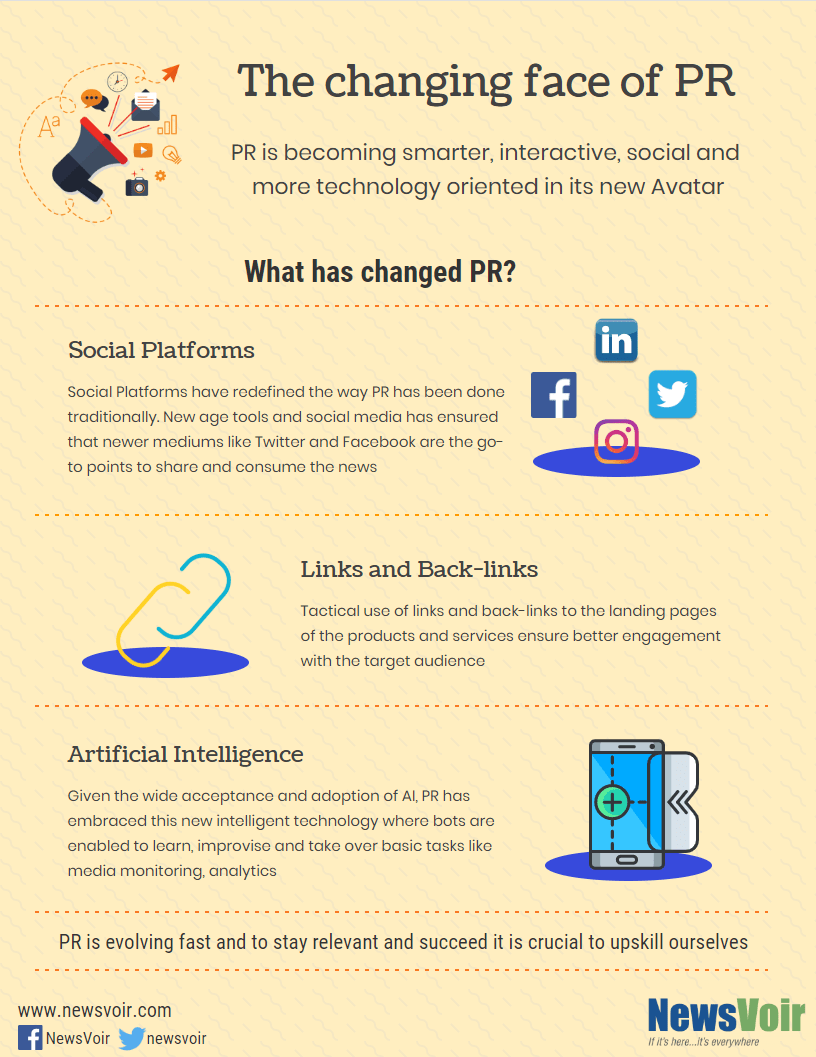
Public relations is expanding beyond traditional media coverage to include a wider range of digital communication, audience engagement, and reputation-building activities. Brands still rely on journalists and established media outlets, but they must also consider how people discover information through search engines, social platforms, online publications, and AI-powered tools.
Another important change is the growing emphasis on measurable outcomes. Instead of evaluating PR solely by the number of published stories, teams are increasingly looking at factors such as the relevance of media coverage, referral traffic, backlinks, audience engagement, and contribution to broader communication goals.
Technology is also changing how PR teams work. AI tools can support research, content development, and analysis, while data helps teams understand audience interests and assess campaign performance. However, human judgment remains essential for checking accuracy, developing credible stories, and maintaining meaningful media relationships.
These changes mean that brands need a more integrated approach to public relations—one that combines strong storytelling and trusted media relationships with digital visibility, responsible technology use, and ongoing measurement.
Key Public Relations Trends Brands Need to Know
1. AI Is Changing PR Workflows
Artificial intelligence is becoming a useful support tool for PR teams, helping with research, content ideation, drafting, media monitoring, and performance analysis. These capabilities can reduce repetitive work and give professionals more time to focus on strategy and storytelling.
However, AI-generated content still requires human review. Accuracy, originality, brand voice, and editorial judgment remain essential to producing credible communication.
2. Visibility in AI-Powered Search Is Gaining Importance
People are increasingly using AI-powered tools to discover information, compare brands, and explore topics. This creates another consideration for PR teams: ensuring that brand information is clear, consistent, credible, and available through reliable online sources.
Brands can support this goal by publishing useful content, sharing verifiable information, and earning relevant media coverage. These activities can strengthen their digital presence, although inclusion in AI-generated answers is never guaranteed.
3. Credible Media Coverage Remains Important
Despite changes in technology, credible media coverage continues to play an important role in public relations. Stories published by relevant and trusted outlets can introduce brands to new audiences, provide independent context, and support reputation-building.
Rather than focusing only on the number of mentions, brands should prioritize coverage that is relevant to their industry, audience, and communication objectives.
4. Data-Driven PR Is Becoming More Relevant
PR teams increasingly need to understand how their activities contribute to communication goals. Metrics such as the quality of media coverage, referral traffic, backlinks, website engagement, and relevant audience reach can provide useful insights into campaign performance.
Using data to evaluate results helps teams identify effective channels, refine their messaging, and make more informed decisions about future PR activities.
5. Audience-Focused Storytelling Is Taking Priority
Audiences are exposed to large volumes of information every day, making relevant and meaningful storytelling particularly important. Brands need to communicate why their announcements matter rather than relying solely on promotional messages.
Industry insights, original research, expert commentary, and stories addressing audience concerns can give journalists and readers a stronger reason to engage with the content.
6. Integrated Digital Communication Is Becoming Essential
PR activities increasingly work alongside content marketing, social media, email communication, and search visibility. A news announcement, for example, can be supported by a company blog, expert commentary, relevant social posts, and useful website resources.
An integrated approach helps maintain consistent messaging across channels and gives audiences multiple opportunities to discover and engage with a brand.
7. Personalised Media Outreach Matters
Journalists receive pitches and announcements from many organizations, so relevance is essential. Understanding a journalist’s beat, publication, audience, and editorial interests can help PR professionals develop more appropriate pitches.
Personalized outreach focuses on explaining why a particular story matters to that journalist’s readers. This is more purposeful than sending identical, generic messages to a broad media list.
8. Reputation Management Requires Ongoing Attention
Brand reputation can be influenced by media coverage, online discussions, customer feedback, and public responses to company decisions. PR teams need to monitor relevant conversations and respond appropriately when questions or concerns arise.
Consistent communication, timely responses, and transparent handling of issues can help organizations maintain trust. Reputation management is most effective when it is an ongoing activity rather than something addressed only during a crisis.
How Brands Can Adapt to Changing Public Relations Trends
Keeping up with public relations trends requires brands to review their communication strategies regularly and adapt to changing audience expectations, technologies, and media practices.
Start by evaluating your current PR objectives and identifying where improvements are needed. If your focus is brand awareness, prioritize relevant media coverage, useful digital content, and communication channels that reach your intended audience.
Explore AI tools that can support research, content development, and reporting, but ensure that all communication is reviewed for accuracy and consistency. Technology should support the work of PR professionals, not replace their editorial judgment or relationships with journalists.
It is equally important to connect PR activities with measurable objectives. Track relevant outcomes, review which channels are delivering value, and use those insights to refine future campaigns.
Finally, invest in relationships with journalists, industry experts, and relevant stakeholders. While platforms and tools continue to change, credible information, useful storytelling, and consistent communication remain central to effective public relations.
Common Public Relations Mistakes to Avoid
Even when brands understand the latest public relations trends, certain mistakes can limit the effectiveness of their communication. Avoiding these issues can help PR teams build a more consistent and purposeful approach.
Focusing on Quantity Over Quality
Generating a high volume of media mentions does not necessarily mean a PR campaign is successful. Prioritize relevant coverage that reaches the intended audience and supports your communication objectives.
Relying Too Heavily on AI-Generated Content
AI can help with research and drafting, but publishing content without proper review can lead to inaccuracies, generic messaging, or unsupported claims. Ensure that every piece of communication is fact-checked and reflects the brand’s voice.
Ignoring Digital Visibility
Focusing exclusively on traditional media coverage can overlook opportunities across search engines, digital publications, and other online channels. Consider how your PR content can support a consistent and credible digital presence.
Using Generic Media Pitches
Sending identical pitches to every journalist can make your outreach less relevant. Research journalists’ interests and tailor your communication to the publication, audience, and subject area.
Measuring Only Basic Metrics
Counting media mentions alone may not provide a complete picture of PR performance. Depending on your objectives, also review coverage relevance, referral traffic, backlinks, engagement, and other meaningful outcomes.
Treating Reputation Management as a One-Time Activity
Brand reputation can change as new stories, public discussions, and audience concerns emerge. Monitor relevant conversations consistently and respond with accurate, timely, and transparent communication when needed.
FAQs
What are the latest public relations trends?
Key public relations trends include the use of AI in PR workflows, visibility across AI-powered search, data-driven campaign measurement, audience-focused storytelling, integrated digital communication, personalized media outreach, and ongoing reputation management.
How is AI changing public relations?
AI can support PR professionals with research, content drafting, media monitoring, and performance analysis. Human review remains essential for accuracy, originality, brand consistency, and editorial judgment.
Why is digital visibility important in public relations?
Digital visibility helps audiences discover brand information through online publications, search engines, social platforms, and other digital channels. A credible and consistent online presence can complement traditional media relations and support brand awareness.
How can brands measure PR success?
Brands can measure PR performance using metrics aligned with their objectives, including relevant media coverage, referral traffic, backlinks, audience engagement, website activity, and other meaningful outcomes. The most useful metrics depend on the purpose of the campaign.
How can businesses keep up with changing PR trends?
Businesses can review industry developments, monitor audience and media behaviour, explore relevant technologies, and evaluate their PR results regularly. Updating strategies based on these insights helps brands adapt while maintaining credible communication and strong media relationships.