Latest News
|
||
Cost Comparison of Renting Vs Buying Commercial Vehicles | ||
|
Dec 29, 2025 15:16 IST
|
||
|
Noida, Uttar Pradesh, India When it comes to operating a fleet of vehicles for commercial purposes, one of the most significant decisions a business must make is whether to lease or buy. The choice between renting vs buying commercial vehicles can have substantial implications for cash flow, operational efficiency, and long-term profitability.
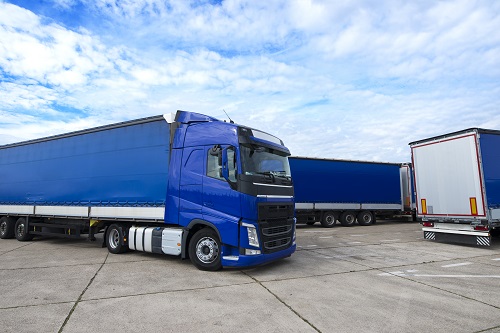
Truck vehicle with trailers background
The initial purchase cost serves as the basis for ownership expenses. It encompasses the total price of the vehicle or down payment when financing with a loan. Although a lower initial price is desirable, one must also consider the vehicle's reliability, effectiveness, and long-term durability.
Monthly EMI payments and interest have a substantial impact on total spending for businesses that buy commercial vehicles on finance. The loan period, interest rate, and down payment percentage determine the overall cost incurred above the vehicle's base price.
Insurance is not only mandatory under the Motor Vehicles Act but also an important financial protection. Commercial vehicle insurance guards against damage, theft, and third-party claims. Premiums vary according to vehicle type, usage, engine power, and coverage type. Opting for an insurance plan provides financial stability and peace of mind in the event of mishaps.
Maintenance and repair costs form a major portion of recurring ownership expenses. Regular maintenance, component replacement, and unexpected repairs ensure vehicles are running safely and in optimal condition.
Depreciation is the decline in a vehicle's market value over time and is one of the most significant components of TCO calculation. Commercial vehicles in India usually depreciate by 15–20% in the first few years, depending on usage and maintenance, and after five years, the residual value is typically negotiated between the owner and the insurer.
All commercial vehicles in India are subject to state-specific taxation and permit regulations. Such taxes and permits include road tax, registration charges, and commercial permits, which differ from state to state. In addition, vehicles are subject to periodic costs such as pollution testing, green tax, and fitness certification after 15 years of service.
Monthly rental or lease payments constitute the bulk of commercial truck leasing charges. Payments are usually fixed, allowing businesses to better control budgets. However, rates vary depending on vehicle type, lease term, and mileage restrictions. Hence, it is vital to compare prior to agreeing to contracts.
Insurance coverage is generally required under most rental or leasing agreements. Based on the policies of the leasing company, you can go for third-party commercial insurance or comprehensive truck insurance.
Maintenance is frequently included in the leasing company, which lessens the financial burden on companies. However, unplanned downtime or slow repair can still affect productivity and contribute to indirect losses. Having a rental partner with effective maintenance assistance and replacement vehicle facilities can reduce these problems.
One of the key financial benefits of leasing or renting commercial vehicles is the lack of depreciation and resale risks. Companies can upgrade or return vehicles at the end of the lease period without concern for asset value decrease or market volatility. This gives way to more agile fleet management and cost predictability.
Though leasing might seem economical in the beginning, there can be extra costs in the form of excess mileage charges, wear-and-tear charges, or administration fees that raise the overall bill. Careful reading of the lease contract helps avoid any shocks at the time of renewal and enables more effective management of commercial vehicle rental charges.
Cost Comparison: Renting vs Buying Commercial Vehicles When deciding between buying and renting commercial vehicles, businesses need to weigh financial flexibility against long-term value. The comparison below highlights the key cost factors for both options in simple terms:
From the above discussions, hopefully, you have gotten your answer on the effectiveness of renting vs buying commercial vehicles. Purchase when your trucks operate set routes every day, and you prefer ownership and long-term retention. On the other hand, lease when flexibility, stable monthly expenses, and access to newer fleets are most important.
|
||
|
|
||||||||||||||||
|
||||||||||||||||
| ||||||||||||||||